Features
Part of Vintage is a sales word, not a date, for these sewing machines in 2027
6 things to weigh up on vintage sewing machines
Seven low-risk projects for a vintage machine that build real skill: sample books, museum labels, hand-crank practice and community documentation work.
What to take away
- Six factors decide what a vintage sewing machine is worth to you. Four are mechanical: needle system, shank type, bobbin type and drive. The other two are documentation and parts supply.
- Small checks teach faster than a full restoration and cost far less to get wrong.
- A stitch sample book is the single most useful thing a beginner can make.
- A museum-style label forces you to separate what you know from what you assume.
- Transcribing and tagging records for the National Archives is a free way to practice reading old documents.
Six things to weigh up, and the low-risk checks that test them
Six Checks, Risk and Cost
Check
- Stitch sample book
- Very low
- Museum-style label
- None
- Hand-crank hour
- Low
- Attachment test card
- Low
- Cabinet drawer inventory
- None
- Belt replacement
- Medium
- Bobbin case deep clean
- Medium
Risk
- Stitch sample book
- $4-$8 per needle pack
- Museum-style label
- None
- Hand-crank hour
- Free
- Attachment test card
- $15-$40 per foot
- Cabinet drawer inventory
- A duplicate attachment
- Belt replacement
- $5-$15 per belt
- Bobbin case deep clean
- $10-$25 replacement case
Typical cost
- Stitch sample book
- Museum-style label
- Hand-crank hour
- Attachment test card
- Cabinet drawer inventory
- Belt replacement
- Bobbin case deep clean
Six things to weigh up
| Factor and the check that tests it | What it teaches | Risk | Typical cost |
|---|---|---|---|
| Stitch sample book on cotton squares | Tension, feed, needle system | Very low | $4 to $8 per needle pack |
| Museum-style label with serial number | Evidence versus assumption | None | None |
| Hand-crank hour | Machine feel without a motor | Low | Free |
| Attachment test card | Shank fit, foot behavior | Low | $15 to $40 per foot |
| Cabinet drawer inventory | Cataloguing, dating clues | None | A duplicate attachment |
| Belt replacement | Measurement, drive geometry | Medium | $5 to $15 per belt |
| Bobbin case deep clean | Patience, disassembly order | Medium | $10 to $25 for a replacement case |
1. Needle system: test it with a stitch sample book
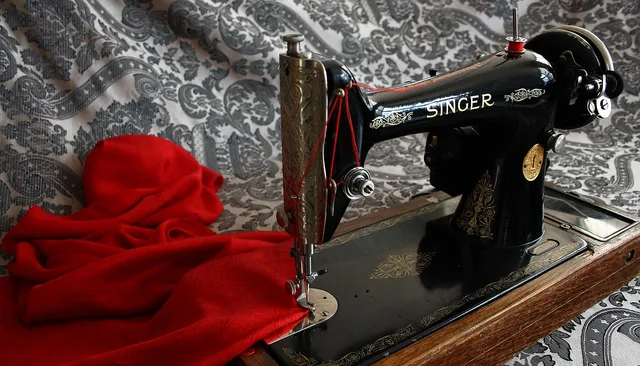
Vintage sewing machines do not share a needle. Most Singers, the 15-91 and the 221 Featherweight included, take a 15x1, sold today as 130/705 H. A five-pack typically costs $4 to $8.
The 29K leather patcher takes a 29x3, and some short-needle-bar models take a 127x1. Lay an old needle beside a new 15x1. If the shanks differ in length, look up the class before you sew.
Build a stitch sample book
Take a stack of identical plain cotton rectangles. On each one, sew a line and staple a card recording the needle system and size, thread, tension setting and stitch length. Add the presser foot and the date.
Twenty samples later you can diagnose by comparison instead of guesswork, and you have a record that survives a year off the machine.
2. Shank type: test it with an attachment card
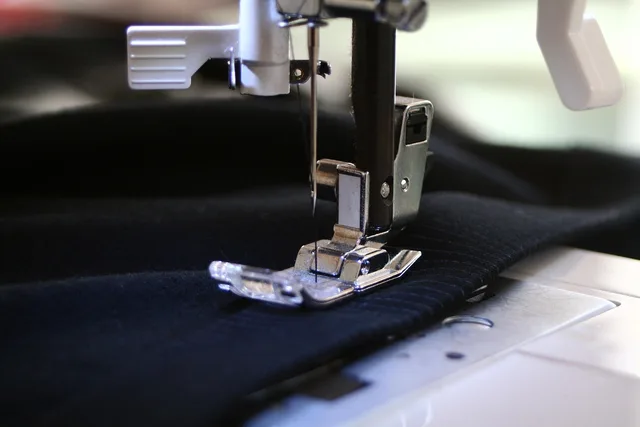
Presser feet attach three ways, and they do not swap. Low shank covers most Singers built before 1960 and most Japanese machines of the 1960s and 1970s.
Slant shank fits named models: the Singer 301, 401 and 500 Rocketeer. Back-clamping feet screw on from behind, as on the Singer 27 and 28, and Bernina's 530 and 830 Record take Bernina's own feet.
Sew a test line with each attachment on scrap, then write the machine name and shank type on the card. Generic low-shank foot sets typically cost $15 to $30. Used original slant-shank feet often sell for $20 to $40 each, and buying the wrong one is the most common beginner expense.
3. Bobbin type: test it with a deep clean
The Singer 15 and 15-91 take a class 15 bobbin. The 66, 99 and 201 take a class 66, and vibrating-shuttle machines such as the 27 and 28 take a long bobbin. Metal bobbins usually cost $8 to $12 for ten.
Bobbin Class by Machine
Machine
- Singer 15 and 15-91
- Class 15
- Singer 66, 99, 201
- Class 66
- Singer 27 and 28
- Long bobbin
- Later Japanese machines
- Class 15J or L-style
Bobbin class
- Singer 15 and 15-91
- Singer 66, 99, 201
- Singer 27 and 28
- Later Japanese machines
Later Japanese machines may take class 15J or L-style bobbins, so check the manual or measure the original. Cleaning a bobbin case is a medium-risk job because order matters. Work over a tray, photograph each stage, and keep screws in a magnetic dish.
A scored or bent case snags thread, and replacements typically run $10 to $25. Never pry a case out; release the latch first.
4. Drive and belts: test them with a hand-crank hour
Drive type changes how a machine feels and what it costs to keep running: hand crank, treadle, or an external or built-in motor. Belt condition is the cheap check. Treadle and motor belts typically sell for $5 to $15 in several widths and sections.
A belt of the wrong section slips under load and puts the strain on the bearings.
Spend an hour on a hand crank
If you have access to a hand-crank machine, or a treadle, sew a straight line slowly for an hour. Nothing teaches feed behavior and needle timing like driving the mechanism yourself at a speed you control. It also builds the habit of turning the wheel toward you and stopping the instant something binds.
5. Documentation: test your claims with a museum-style label
Singer serial numbers sit on a plate at the right end of the bed. The International Sewing Machine Collectors' Society publishes dating lists that turn those numbers into a year. Dealer badges, instruction booklets and cabinet decals fill in the rest.
Write a label as if the machine were on display
Pick a machine and write forty words for an imaginary case. Maker, badge, approximate period, drive type, and one honest sentence about condition. The exercise is harder than it sounds, because it forces you to mark the difference between what a document supports and what a forum post asserted.
The National Archives publishes free document analysis worksheets for photographs, artifacts, posters and written documents, built for classrooms. They work perfectly well on a sewing machine, an instruction booklet or a dealer advertisement, and they push you toward asking who made a source and why.
Practice reading old documents for free
Old manuals, catalog pages and advertisements are the raw material of machine research, and reading them fluently is a skill. The National Archives runs a citizen archivist program where volunteers transcribe and tag digitized records, which is unpaid but genuinely good practice at deciphering period typography, abbreviations and handwriting.
6. Parts supply and resale: test it with a cabinet drawer inventory
Common machines stay cheap to run. Belts, bobbins, needles and reproduction manuals for the Singer 66, 99, 15-91 and Featherweight 221 are easy to find. A Featherweight typically sells for $250 to $700 depending on condition and case, while treadle machines in oak cabinets often change hands for under $100.
Less common makes, including vintage Necchi, Elna and Husqvarna Viking models, can stall a project on one proprietary part.
Inventory a cabinet drawer properly
Empty one drawer onto a light-colored towel. Photograph the contents in place first. Then group by function, measure anything metal, and note which items match the machine and which came from somewhere else. Mystery attachments in a drawer are often the strongest surviving clue to a machine's earlier life.
Keep the inventory as a single sheet with a thumbnail grid and one line per item. Six months later, it stops you buying a second buttonholer you already own. It is also the fastest way to answer a buyer who asks what is included.
Store loose items in a shallow tray, not piled back in the drawer, where they chip each other every time it opens.
The listing of tool types worth recognizing appears in our survey of antique sewing tools, and the goal-setting framework that decides how far to take any of this is in the main vintage machine guide.