Reviews
Part of Vintage is a sales word, not a date, for these sewing machines in 2027
Recording a materials spec for vintage sewing machines: what to check and write down
Vintage sewing machines materials to record include needle system, bobbin class and size, shank, belt, lubricant, thread, and test cloth.
What to take away
This “vintage sewing machines materials” checklist records the supplies and specifications that keep each machine’s setup repeatable.
- Fit is not compatibility. Needles, bobbins and feet can seat properly and still be wrong.
- Record a specification, not a shopping memory. A drawer labeled "old parts" helps nobody.
- Test cloth should be boring, known and stable. Save the good fabric for later.
- One product at a time. Mixed oils and mixed solvents hide which one caused the damage.
Needles: the system, not the shank
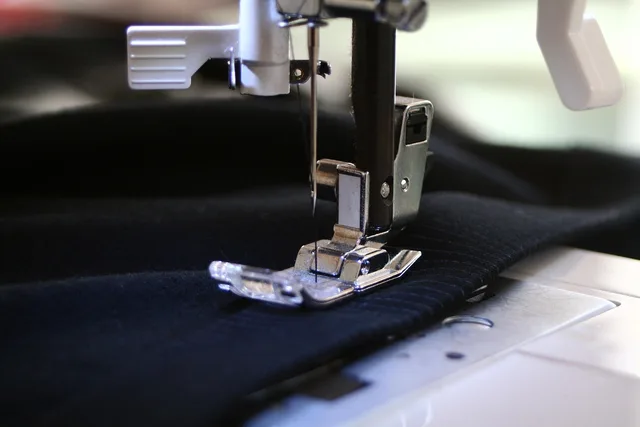
A needle system is a full dimensional specification covering shank shape, total length, blade length and scarf position.
Two needles can share a shank and still time differently against the hook.
Many domestic machines from the mid twentieth century onward use the 15x1 family, but plenty of earlier and imported machines do not. The wrong system produces symptoms that look exactly like a tension fault.
Find the system in the manual or a parts list. If you cannot, buy a single needle of the most likely system, turn the machine over by hand with the presser foot down and no thread, and watch the hook pass the scarf before sewing anything.
Common system markings include 15x1, also sold as 130/705 H or HAx1; 206x13, used by Singer 206 machines; and DBx1 or DPx5 on industrial machines. These systems are not interchangeable, so confirm the marking against the machine’s manual or parts list.
Record the presser-foot mounting style separately: low shank, high shank, slant shank, or back clamp. Similar-looking feet may not fit across these mounting styles.
Thread and test cloth
Start with a general purpose polyester or cotton-wrapped polyester in a mid weight, plus a plain woven cotton for scrap. Nothing decorative, nothing stretchy, nothing precious.
Knowing what the cloth is matters more than people expect. Fiber content changes how fabric feeds and how it takes a needle.
Fiber labels on cloth sold in the United States follow rules under the Textile Fiber Products Identification Act, codified at 16 CFR part 303. Those rules govern how generic fiber names and percentages must be disclosed. Keep the label with the offcut.
The same logic drives holding back a known reference sample. NIST certifies more than a thousand standard reference materials precisely so a measurement can be compared against something characterized in advance. Your version is a labeled bag of the exact cloth, thread and needle that produced your last good stitch.
Bobbins are where money gets wasted
| Check | What goes wrong |
|---|---|
| Diameter | Rubs the case and drags tension |
| Height | Rides up and causes looping |
| Side profile | Flat versus curved changes thread release |
| Holes and slots | A winder cannot grip the wrong pattern |
| Material | Plastic in a metal-only system flexes |
Buy one bobbin, wind it, run it, then buy more. A bag of assorted bobbins is a bag of assorted problems.
Common bobbin names include Class 15 and Class 66 for domestic machines, and L-style and M-style for industrial machines. Match the class to the manual or parts list rather than relying on appearance. The 206x13 marking is a needle system, not a bobbin class.
For the three measurements, record outside diameter, overall height, and center-hole diameter. Measure with calipers and write the units, using millimeters or inches consistently. Also note the side profile, such as flat-sided or rounded.
Oil, grease and what not to reach for
Use the lubricant the manual specifies, in the places it marks: sewing machine oil, a light mineral oil for pivots and bearings.
When the manual calls for light sewing-machine oil, Singer Sewing Machine Oil and Zoom-Spout Sewing Machine Oil are examples of named products to consider. The manual’s lubricant specification and marked oiling points take priority over the brand.
Some machines want grease in gear areas, and oil where grease belongs washes the grease out. Household penetrating sprays are not lubricants for this job; they creep into places you cannot reach to clean.
There is no grease that is right for every vintage machine. If the manual calls for grease, use the specified product; Super Lube Multi-Purpose Synthetic Grease is a named option only when the manual or parts guidance confirms compatibility.
Solvents carry the highest risk of anything on the list. Avoid acetone, lacquer thinner, brake cleaner, and carburetor cleaner on finishes or decals; test any cleaner in a hidden spot and never let it sit on decals. For an undecorated, washable surface, use a barely damp cloth with mild dish soap, then dry it promptly. WD-40 is not sewing-machine oil and should not be used as the machine’s lubricant. The beginner mistakes guide also covers decal-safe handling.
Write the specification down
For each machine, keep one page with its needle system and size, thread type, bobbin class and three measurements, presser-foot shank type, belt section and length, oil and grease products, and the date and result of the last stitch test. Record the belt profile and measurement units, too.
Belts may be round leather, round synthetic, or V-section; some V-belts are marked with a 3L section designation. Record the belt’s profile or printed section marking instead of assuming that belts with similar shapes are interchangeable. To measure length, route a flexible tape or non-stretch cord around the belt path with the motor in its normal position, mark where the ends meet, and measure that length. Record the units and the section width and depth if you can measure them.
One-page materials spec template
- Machine badge, model, and serial______
- Manual or parts-list reference______
- Needle system and size______
- Thread type and weight______
- Bobbin class/type______; outside diameter: ______; overall height: ______; center-hole diameter: ______; units: ______; side profile: ______
- Presser-foot shanklow / high / slant / back clamp
- Belt profile or section marking______; measured length and units: ______
- Oil product and marked oiling points______
- Gear grease product and locations, if specified______
- Cleaner tested and surface tested______; products to avoid: ______
- Test-cloth fiber/content and thread/needle combination______
- Last stitch test date and result______