Reviews
Part of Vintage machine models compared: a published test protocol beats any favorites list
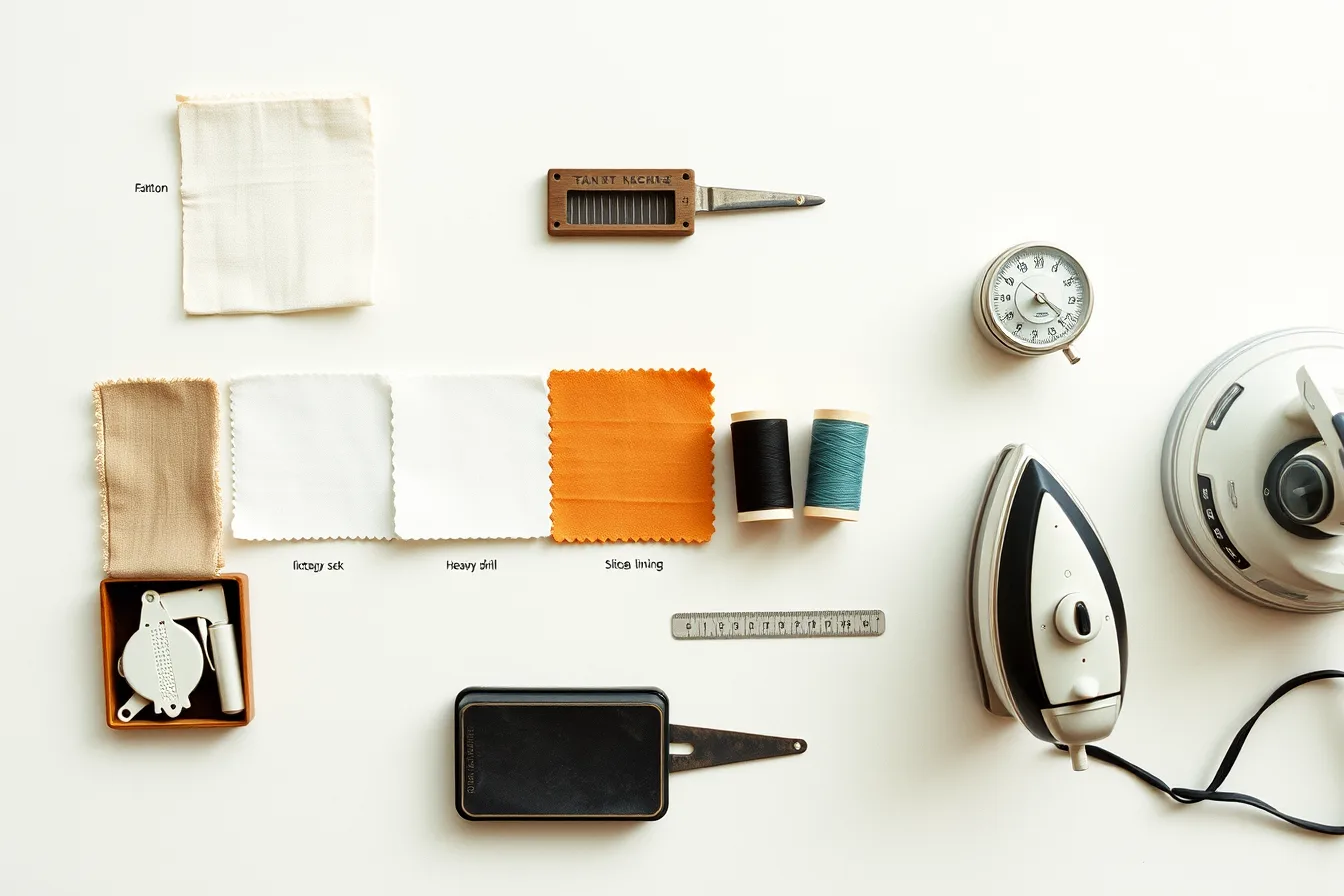
Fabric packs, needles and a trustworthy iron: the vintage machine model test kit
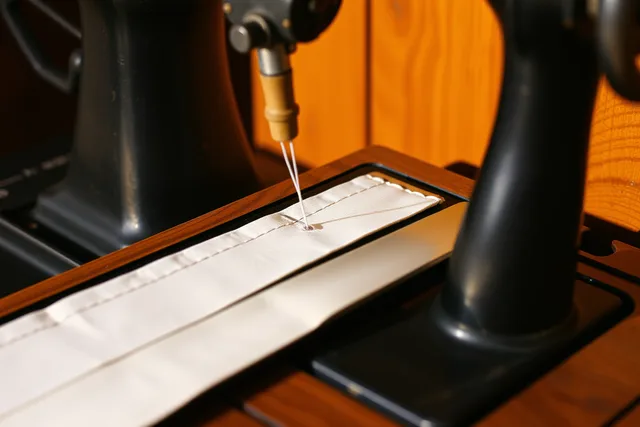
The test bench kit for comparing vintage sewing machine models: fabric packs, needle and thread sets, stitch gauges, and an iron whose temperature you can trust.
What to take away
- A test kit is mostly fabric and thread. The expensive items are the least useful.
- Standardize your test fabrics or results from different days cannot be compared.
- A stitch gauge settles arguments that eyesight cannot.
- Know what your iron is actually doing, because pressing affects how a seam reads.
The comparison
Test kit priorities and costs
Buy first
- Fabric pack
- Feed, tension, layers
- Needle set
- Skipping, damage
- Thread set
- Tension range
- Stitch gauge
- Seam gauge
- Known-temp iron
- Tension gauge
Buy early
- Fabric pack
- Needle set
- Thread set
- Stitch gauge
- Consistency claims
- Seam gauge
- Seam accuracy
- Known-temp iron
- Pressing first
- Tension gauge
Optional
- Fabric pack
- Needle set
- Thread set
- Stitch gauge
- Seam gauge
- Known-temp iron
- Tension gauge
- Objective tension
What it tests
- Standard fabric pack
- Feed, tension, layer capacity
- Needle set, correct system
- Skipping, fabric damage
- Thread set, three weights
- Tension range
- Stitch length gauge
- Stitch consistency claims
- Seam gauge and ruler
- Seam allowance accuracy
- Iron with a known temperature
- Pressing before assessment
- Tension gauge
- Objective tension comparison
- Tachometer or speed app
- Stitches per minute claims
- Sound meter app
- Comparing noise between models
Priority
- Standard fabric pack
- Buy first
- Needle set, correct system
- Buy first
- Thread set, three weights
- Buy first
- Stitch length gauge
- Buy early
- Seam gauge and ruler
- Buy early
- Iron with a known temperature
- Buy early
- Tension gauge
- Optional
- Tachometer or speed app
- Optional
- Sound meter app
- Optional
Cost
- Standard fabric pack
- Low
- Needle set, correct system
- Low
- Thread set, three weights
- Low
- Stitch length gauge
- Very low
- Seam gauge and ruler
- Very low
- Iron with a known temperature
- Medium
- Tension gauge
- Medium
- Tachometer or speed app
- Low
- Sound meter app
- Free
Standardize the fabric pack
Assemble one bag containing the same five fabrics for every test: light plain cotton, medium plain cotton, heavy cotton drill, a slippery synthetic lining, and a stable knit. Cut everything to the same size, and buy enough of each in one purchase so a year of tests uses the same cloth.
Materials behave differently in ways that are not obvious from touch, which is why materials characterization is a research field of its own. NIST's materials topic hub gathers its work across areas including polymers, metals, composites and materials characterization, along with its standard reference materials program.
At bench level the lesson is narrow and practical: change one fabric and you have changed the test, so do not swap the pack halfway through a comparison.
The iron matters more than people expect
Pressing a seam before judging it changes how the stitch reads, and an iron whose dial says one thing and does another quietly ruins comparisons. Domestic dials are approximate, and a temperature setting is not a measurement.
NIST's page on the SI unit of temperature explains how the kelvin is now defined through the Boltzmann constant, and links out to practical conversion resources including oven temperature equivalences. The useful takeaway for a sewing bench is simply that a dial marked with fabric names is not a scale, so choose one setting and use it for every comparison.
What is not worth buying
- A professional tension gauge, unless you are servicing machines for money.
- Multiple irons.
- Expensive specialist test fabrics.
- Any measuring device you cannot check against something known.
The pattern behind that list is that each item promises precision the rest of the test cannot support. There is no point measuring thread tension to two decimal places while the fabric changes between sessions and the needle is of unknown age. Spend on consistency instead, which in practice means more fabric and more needles.
The rest of the kit
Test tools are the second layer over an identification kit, not a replacement for one. The loupe, lamp, caliper and mirror that come first are compared in our identification tool article, and the sequence these tools support is set out in the model testing pillar.