Industry
Part of Vintage machine models compared: a published test protocol beats any favorites list
Which museums let you actually try a vintage machine model before buying
Named museums and working collections where you can ask to sew on a vintage machine before you buy one, plus what to bring and what to record.
What to take away
- A working collection, not a glass case, is where a hands-on request gets granted. Name the model before you ask.
- Write to the curatorial or education department, not the front desk, and ask for twenty minutes on one named machine.
- Small county historical societies, living history farms and mill sites are the easiest yes, because their machines stay threaded.
- Supervised access usually runs through a membership or a paid workshop. Typical annual member rates fall between $40 and $100.
- If nothing is near you, treadle clubs, guilds and repair shops with refurbished stock are the next stop.
Museums with running machines and a public contact route
Start with the department, not the general inbox. Curatorial staff decide what runs; education staff schedule the room. Both usually route through one contact form on the main site.
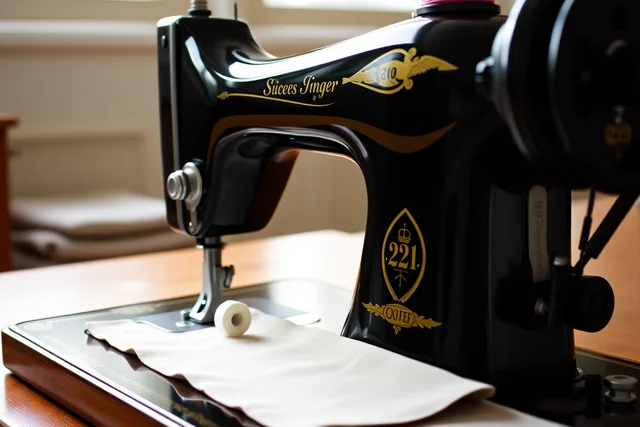
The Henry Ford, Dearborn, Michigan. Greenfield Village runs period equipment with interpreters in costume, and the domestic life holdings include treadle and hand-crank machines. Write to the curatorial department with the model name and its serial prefix. The history of the Singer company shows why that prefix narrows the year.
Smithsonian National Museum of American History, Washington, D.C. Admission is free. Education staff run hands-on programming, so name the model and the seam you want to test in writing.
American Swedish Institute, Minneapolis. The Turnblad Mansion holds immigrant-home displays with treadle machines, and staff run textile workshops. Workshop registration is often the shortest route to supervised bench time.
Lowell National Historical Park, Lowell, Massachusetts. Rangers run the weave rooms in restored mill buildings, and the looms stay threaded. Entry is free. Ask the visitor center which demonstrations run on your dates.
Old Slater Mill, Pawtucket, Rhode Island. The 1793 water-powered cotton mill on the Blackstone River is a National Historic Landmark. Ask about demonstration days, when the carding and spinning equipment runs.
Genesee Country Village and Museum, Mumford, New York. Interpreters work period textile tools in season. Ask ahead so a specific machine is threaded.
Batavia Depot Museum, Batavia, Illinois, and county historical societies elsewhere. Small staffs mean short approval chains, so this is often the easiest yes.
Museum of Making, Derby, England. Note the geography if you are in the United States. The restored Derby Silk Mill holds working machinery, and a maker membership brings supervised access.
For group sessions closer to home, our guide to identification classes and studios lists the clubs that already run them.
What supervised access costs and requires
What it typically involves
- Annual membership
- Year-round entry, invitation to supervised bench time
- Paid workshop
- Two to three hours, machine time included
- Volunteer shift
- Training first, then regular access
- Demonstration day
- Watching and questions, no bench time of your own
- Study visit
- Rare, arranged with the registrar
Typical cost
- Annual membership
- $40 to $100 a year
- Paid workshop
- $20 to $60 per session
- Volunteer shift
- No fee, weekly hours
- Demonstration day
- $0 to $25 admission
- Study visit
- Varies, insurance may be required
A machine under building power is not the same as a display object. Ask who last serviced the motor. NFPA 70 sets the wiring rules a US institution works to.
Ask which lubricant the collection uses before you reach for the oil can. Many registrars follow the NPS guidance on lubricants for historic machinery.
Costs vary by institution size. Ask for the member rate and the workshop rate in the same email.
How to ask so the answer is yes
- Identify the model, its year and its serial prefix. Our serial number dating walkthrough gets you to the right prefix in about ten minutes.
- Find the right department. Curatorial answers for collections, education for programming.
- Send two short paragraphs. Give the model, the seam you want to test, and twenty minutes.
- Offer your own needle, thread and fabric. It removes any cost objection on the host's side.
- Ask what the machine will not do. Limitations tell you more than praise.
Curators say yes to specific, bounded requests and no to open-ended ones. One model, one seam, twenty minutes.
What to bring and what to record
- Your own fabric, thread and needles, so the host carries no cost
- A phone or camera with the flash off
- A notebook for the serial number, tension dial setting and stitch length
- Closed-toe shoes and a pen for the waiver
- The name of the staff member who supervised you
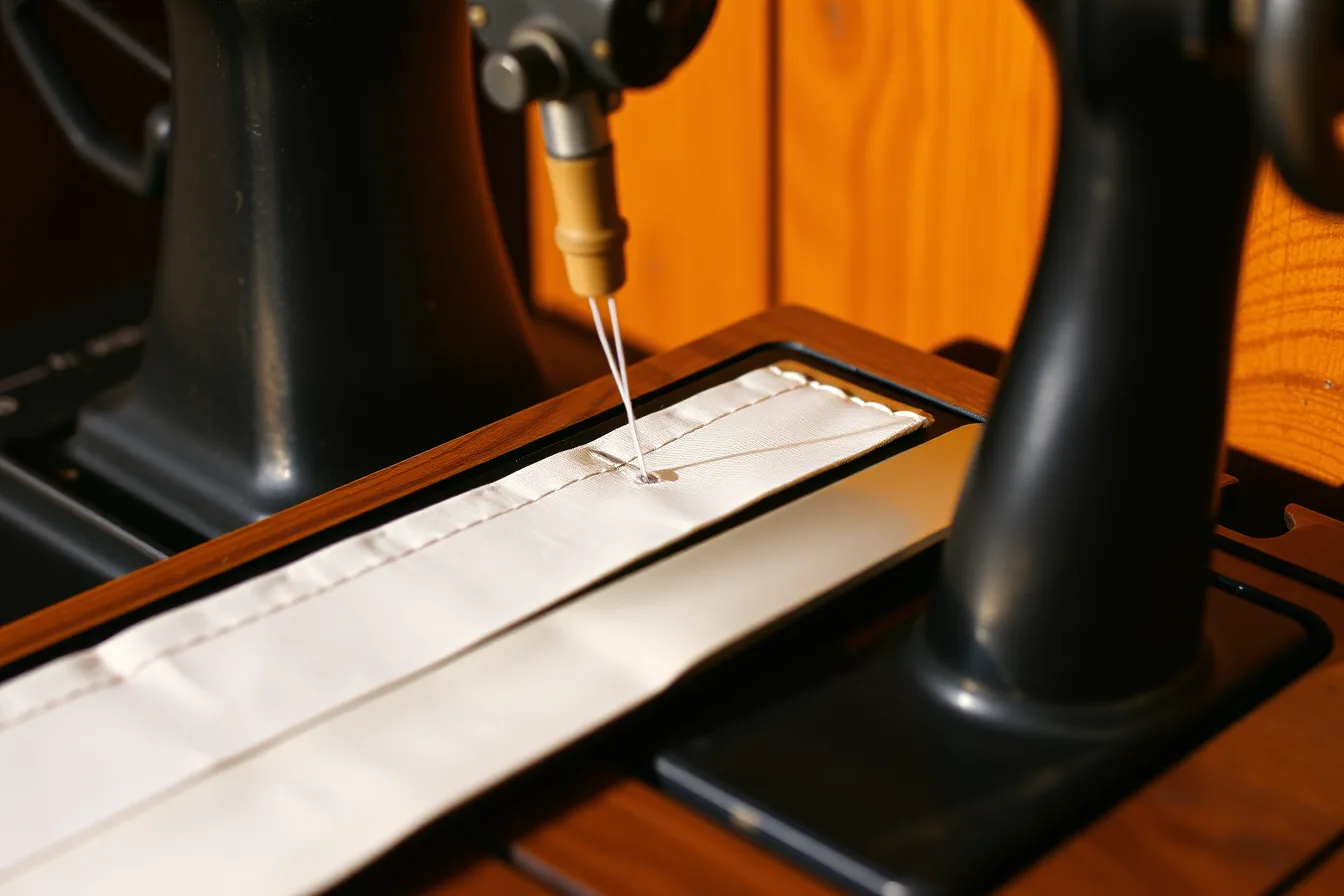
Photograph both sides of every seam, plus the tension dial and the needle plate. Grade the samples later against your own notes. Our published test protocol turns those photographs into a scored record you can compare across sessions weeks apart.
If you are not near any of these
Regional treadle clubs and quilting guilds keep working machines and meet monthly. Ask a member to bring the model you are considering.
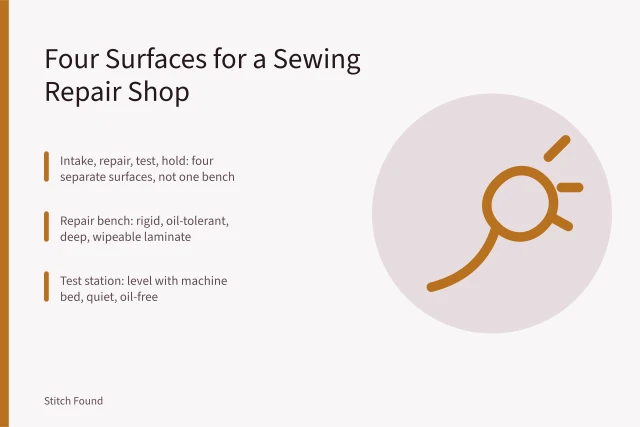
Repair shops that resell refurbished machines will often let you test on the bench before you pay. A shop with proper intake and testing stations can run your fabric through the machine while you watch. Ask for the service record on a rebuilt motor.
Canadian readers: county museums and agricultural societies run similar demonstration days. Cross-border buying adds duty and GST, so test before you import.
Common questions
Will a museum really let me sew on a machine?
Often, if the machine is already used for demonstrations and you ask in writing with a named model and a short time slot.
What if the nearest collection only displays machines behind glass?
Ask the curator which regional group maintains a working example. Treadle clubs, guilds and shops that resell rebuilt machines are the usual answer.
Is a demonstration video a substitute?
No. Feed behavior, vibration and the sound of the take-up lever do not carry through a screen. Twenty supervised minutes tell you more.
How do I book supervised time?
Join as a member or register for a workshop, then ask about bench access. Expect a wait and a signature.