Maintenance
Part of Build a sold-comparables record for vintage machine values
Ten vintage machine values mistakes to avoid
Avoid vintage machine values mistakes when comparing completed sales, judging rarity, accounting for shipping, and assessing restoration and cleaning.
What to take away
These vintage machine values mistakes often start with weak comparisons, overlooked shipping, or undocumented condition. The list below focuses on valuation errors for vintage sewing machines and habits that can distort an estimate.
- Active asking prices are not evidence that a machine sold at that amount.
- Cleaning to raise value usually removes the evidence a knowledgeable buyer pays for.
- Sunk costs are not value. Nobody reimburses your weekends.
- Age is not a defense. Product safety obligations follow the sale, not the manufacture date.
Ten valuation errors to avoid
- Pricing from active listings rather than completed sales.
- Assuming rarity creates demand.
- Ignoring shipping weight when comparing to distant sales.
- Counting restoration spend as value added.
- Polishing decals and plating before photographing.
- Describing a machine as working when it only powered on.
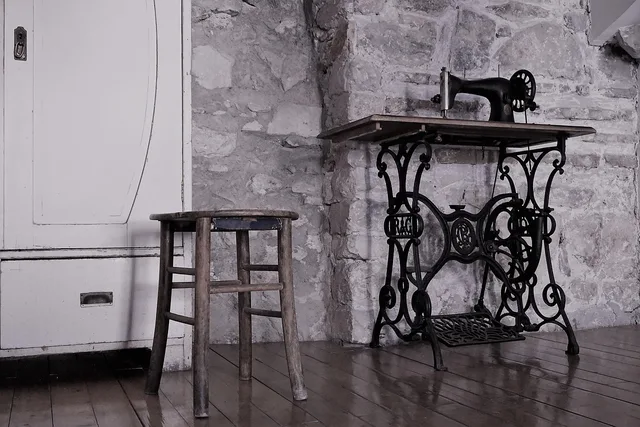
- Comparing across configurations, such as a head-only Singer Featherweight against a comparable one with its cabinet.
- Valuing a badge name without checking whether parts exist.
- Forgetting that a missing bobbin case can cost more than the machine.
- Treating a family story as provenance without writing down a single date.
Why asking prices mislead
Every unsold listing is evidence that a price did not work. Building an estimate from them systematically overprices, and then the overpriced machine sits, which produces another asking price for the next person to copy. The whole market can drift upward on data that never involved a buyer.
Asking prices vs completed sales
Asking-price comparables
- Evidence
- Unsold listing
- Effect
- Overprices
- Market drift
- Upward on no data
- Single result
- Anecdote
- Record
- Price asked
Completed sales only
- Evidence
- Buyer paid
- Effect
- Realistic
- Market drift
- Grounded
- Single result
- Cluster of five
- Record
- Collected or shipped
Use completed sales only, and record whether each was collected or shipped. For related planning, see our price guide.
The related error is counting a single high result as the market. One buyer who wanted one machine on one evening is an anecdote. Five results clustered within twenty percent of each other are a price.
Cleaning is not neutral
The instinct to tidy an object before valuing it is strong and usually wrong. Wear patterns, original surface and untouched grime are information. Remove them and they cannot be put back.
The National Archives’ preservation program offers guidance on caring for, storing, preserving, and using archival holdings. That is not a valuation standard for sewing machines, but it illustrates the difference between preservation and making an object look newer.
Photograph as found, always. Clean afterwards if at all, and record what you used. The specific surfaces that punish a wipe with the wrong product are set out in our guide to finishes and their effect on price.
Age does not exempt a seller
A persistent belief in the secondhand trade is that old items are outside product safety rules. They are not. The Consumer Product Safety Commission's overview of the statutes it administers describes the Consumer Product Safety Act as the umbrella law establishing the agency's authority to set standards, pursue recalls and ban products under certain circumstances.
In practice this means an item with a known hazard should not be passed on, and electrical function should never be asserted without a basis. That is also simply good business, since disputes cost far more than the sale.
Fixing the arithmetic
| Error | Correction |
|---|---|
| Asking-price comparables | Rebuild from completed sales only |
| Sunk cost included | Keep cost and value in separate columns |
| Configuration mismatch | Compare like with like or adjust explicitly |
| Overclaimed condition | Describe what was tested and how |
| No provenance record | Write the story down with names and dates |