Reviews
Part of Reviewing antique sewing tools worth knowing: strengths, gaps and a verdict
Five antique sewing tool collecting categories rated by fakes, identification and risk for first buyers
Five antique sewing tool categories for first buyers, compared by fake frequency, identification difficulty and main risk, with material and condition checks.
What to take away
- Cheap and common is the right place to start, because you will get some of it wrong.
- Ornament was patentable. A design patent number on a tool is a hard dating anchor.
- Material identification by eye is unreliable, and the market prices it as if it were not.
- Categories with fitted cases carry hidden condition risk in the case, not the tools.
Five categories, honestly compared
Entry price
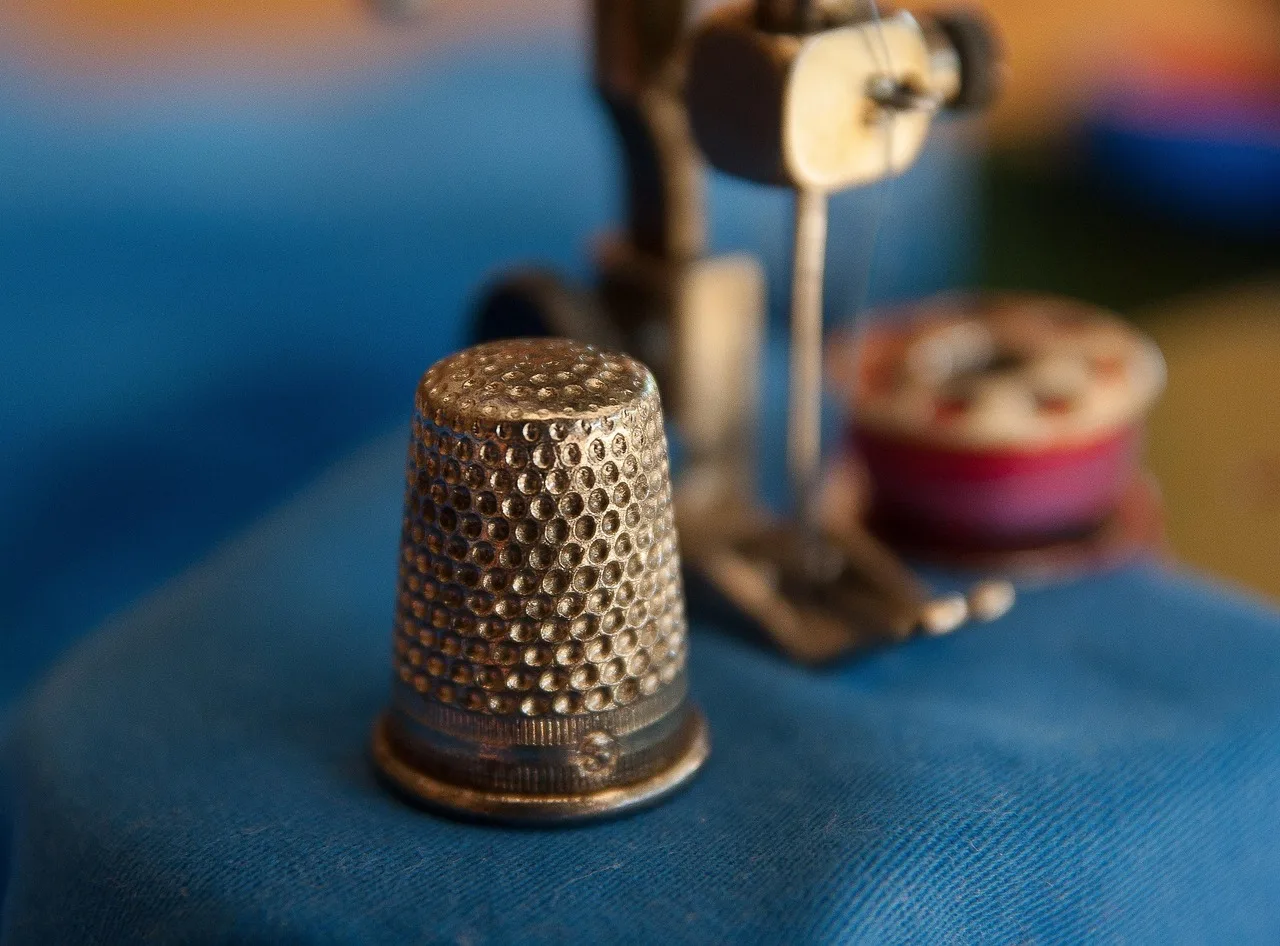
- Thimbles
- Very low
- Hem gauges and measures
- Low
- Shuttles and tatting tools
- Low to medium
- Sewing birds and clamps
- Medium
- Etuis and chatelaines
- High
Fakes
- Thimbles
- Common in silver
- Hem gauges and measures
- Rare
- Shuttles and tatting tools
- Occasional
- Sewing birds and clamps
- Very common
- Etuis and chatelaines
- Common
Identification difficulty
- Thimbles
- Moderate, size and marks
- Hem gauges and measures
- Easy, usually marked
- Shuttles and tatting tools
- Moderate
- Sewing birds and clamps
- Hard
- Etuis and chatelaines
- Hard
Main risk
- Thimbles
- Plate sold as solid
- Hem gauges and measures
- Rust and missing sliders
- Shuttles and tatting tools
- Cracked blades and bone
- Sewing birds and clamps
- Recast reproductions
- Etuis and chatelaines
- Replaced or married contents
Start in the top two rows. They are cheap, plentiful, honestly marked, and mistakes cost pocket money.
Five categories, honestly compared
Thimbles
- Entry price
- Very low
- Fakes
- Common in silver
- Identification
- Moderate
- Main risk
- Plate sold as solid
Hem gauges
- Entry price
- Low
- Fakes
- Rare
- Identification
- Easy
- Main risk
- Rust and missing sliders
Shuttles
- Entry price
- Low to medium
- Fakes
- Occasional
- Identification
- Moderate
- Main risk
- Cracked blades and bone
Sewing birds
- Entry price
- Medium
- Fakes
- Very common
- Identification
- Hard
- Main risk
- Recast reproductions
Design patents are the collector's friend
Decorative sewing tools were a competitive product, and makers protected their appearance. The USPTO explains in its design patent guide that a design consists of the visual ornamental characteristics embodied in an article of manufacture, covering shape, surface ornamentation, or both.
That matters when you are holding a stamped number. A design patent number tells you a specific appearance was registered, which anchors both a date and, usually, an original maker. It also tells you what a later copy was copying.
Material claims deserve suspicion
"Silver" in a listing frequently means plated, "ivory" frequently means bone or an early plastic, and "mother of pearl" frequently means a molded imitation. None of these are always deliberate deception; sellers repeat what they were told.
Identifying materials properly is an instrumental job.
NIST's Material Measurement Laboratory does exactly this work: it develops measurement science for chemical and materials analysis and issues certified reference materials so composition results mean something.
Nobody sends a thimble to a national lab, but the point stands: a confident eyeball identification of an alloy is a guess with good posture.
Weigh it, measure it, look for wear-through at high points, and describe it as "appears to be" until you have better evidence.
Condition questions that actually predict regret
- Does a hinge move without grit, or has somebody oiled it to hide wear?
- Is a threaded clamp screw original, or a modern bolt?
- Are the contents of a fitted case shaped to the recesses that hold them?
- Has a point been sharpened back, shortening the tool?
- Is there active corrosion, or only stable old patina?
The last one decides whether a purchase needs immediate action. The storage guide for tool materials covers what to do about it in the first week.
Buy for the record you can build
A tool you can photograph, measure, mark-read and place is worth more to you than a prettier one you cannot. Our photography and presentation guide sets out the shot list that turns a purchase into a documented object rather than an ornament in a drawer.