Industry
Toronto estate and auction supply of vintage sewing machines explained
Toronto vintage sewing machine auctions draw on deep estate-sale supply, and knowing the firms, repair benches and price bands keeps bidding sane.
What to take away
- Toronto vintage sewing machine auctions run on estate supply, so volume is steady but condition varies widely from attic-fresh to fully restored.
- Estate-sale firms such as Maxsold, Estate Sale Solutions and Ritchies list machines and cabinets, while auction houses including Waddington's, A.H. Wilkens and Miller & Miller handle the better pieces.
- Repair benches like The Sewing Machine Shop, Sewing Machine Service Centre and Toronto Sewing Machine Repair keep treadles and vintage motors running.
- Price expectations follow condition, completeness and cabinet type more than brand name alone.
- Always inspect the bobbin winder, motor wiring and cabinet veneer before bidding.
- Ontario disclosure rules protect buyers, but private estate sales still demand your own inspection.
How Toronto estate sales feed the vintage sewing machine market
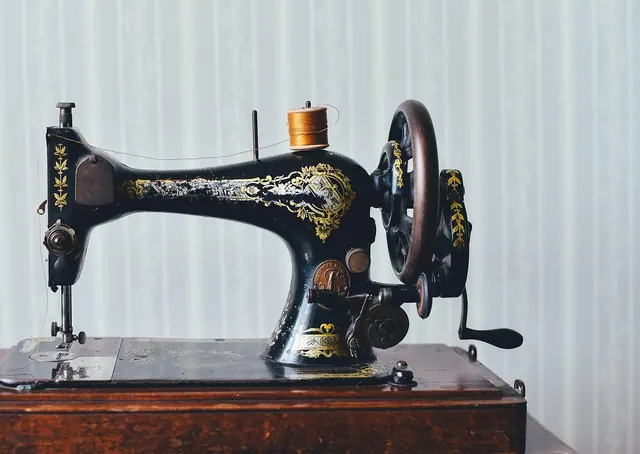
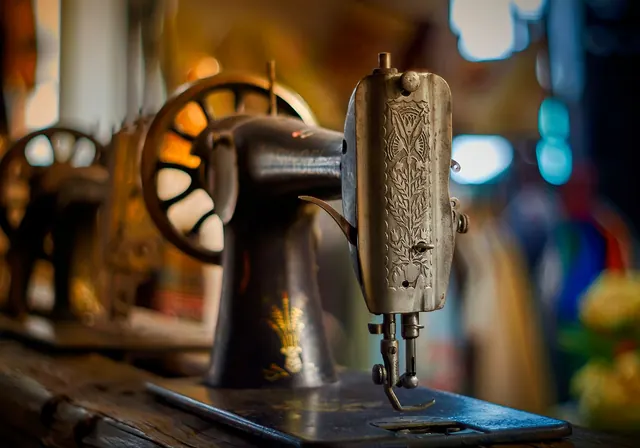
Toronto's estate-sale circuit is the main pipeline for vintage machines. When a household clears out, a treadle in the basement or a 1950s Singer in a closet becomes inventory. The city's older neighbourhoods, from Rosedale to the Junction, produce a steady flow of cast-iron cabinets and hand-cranks that rarely appear in newer suburbs.
Estate firms run most of this volume. They photograph, list and host pickup days, often online. That means a Toronto buyer can watch a dozen machines a week without leaving the house. The trade-off is that condition is described briefly, so you bid on photos and a short note.
Estate sales also set the floor for local pricing. A machine that sells for a modest sum at an estate pickup becomes a reference point for the next listing. Dealers watch these results closely. For a fuller picture of how professionals separate wholesale from retail, see Trade price, retail price.
Online estate platforms add their own quirks. Most run timed bidding with a soft close, so a lot can extend if someone bids in the final minutes. Register and verify your account before the sale opens, and read the pickup window before you bid. A machine you cannot collect in time is a machine you do not own.
Auction houses take the better pieces. When an estate includes a rare model or a complete cabinet with original attachments, it often goes to a formal sale rather than a house clearance. That split matters: estate sales supply volume, auctions supply quality.
Auction houses and estate-sale firms that handle machines and cabinets
Several Toronto firms appear repeatedly when vintage machines come up. Each has a different speciality, and knowing which is which saves time.
| Firm | Type | Typical vintage machine offering |
|---|---|---|
| Waddington's | Auction house | Better treadles, rare models, complete cabinets |
| A.H. Wilkens Auctions & Appraisals | Auction house | Estate collections, mixed household lots |
| Miller & Miller Auctions | Auction house | Canadian-made machines, folk and country pieces |
| Maxsold | Online estate-sale platform | High-volume house clearances, as-is machines |
| Estate Sale Solutions | Estate-sale firm | Downsizing sales, cabinets and accessories |
| Ritchies | Auction house | Fine and decorative lots, occasional machines |
Waddington's and A.H. Wilkens are the names most Toronto restorers mention first. Both run regular sales and both will list a treadle alongside furniture. Miller & Miller, based outside the city but active in the Ontario market, often handles Canadian-made machines with local provenance.
On the estate side, Maxsold dominates online clearances. Its model is simple: everything sells, often within a week. Estate Sale Solutions and similar firms handle the on-site sales where you can inspect in person. For terminology on the models you will see, the Sewing machine overview covers the main types and mechanisms.
Before bidding anywhere, remember that Ontario's Consumer Protection Ontario rules cover disclosure for online used-goods sales. They help, but they do not replace your own inspection at a viewing.
Repair benches and restorers that Toronto buyers rely on
A vintage machine is only worth what it costs to make it sew. Toronto has a deep bench of repair shops, which is one reason local prices hold up better than in cities without service.
The Sewing Machine Shop handles servicing and parts for older models, including treadles and vintage motors. Sewing Machine Service Centre works on domestic machines and can source belts, bobbins and presser feet. Toronto Sewing Machine Repair covers house calls and workshop repairs for machines that have sat unused for years.
Restorers also matter. Cabinet refinishing, veneer repair and motor rewiring are separate skills from mechanical servicing. Some benches do both; others refer cabinet work out.
Electrical work deserves caution. Vintage motors may carry old CSA marks or none at all. A rewired motor with a current CSA Group mark is safer and easier to insure. Ask any bench what certification the motor will carry after service.
Turnaround depends on the queue, not the model. City benches are busiest in spring, when estate season peaks and buyers want machines running before summer. Booking a service slot early beats waiting weeks in June.
Parts availability shapes repair cost. Common Singer and White models are cheap to fix. Rare Canadian makes can stall for months waiting on a single part. That risk belongs in your bid, not in your surprise after pickup.
How city resale volume sets condition and price expectations
Toronto moves more vintage machines than any other Canadian city. That volume does two things: it keeps supply coming, and it compresses prices for ordinary machines.
A common treadle in average condition is not scarce here. Estate sales list them constantly, so buyers can wait for a better one. That patience caps prices. Rare models and complete cabinets behave differently because they appear far less often.
Condition drives the spread. A machine with original attachments, a clean cabinet and a working motor sits at the top of the local range. One missing its bobbin case or with a warped veneer top sits at the bottom, often selling for parts value.
Dealers price from results, not hopes. Comparable sales, not asking prices is the rule they follow, and it explains why a machine listed high can sit for months while a similar one sells quickly at a realistic number.
Spending context matters too. Statistics Canada data on the distribution of total income shows the household budgets behind Toronto's resale demand. Higher-income households support the top of the market for restored pieces, while budget buyers keep the parts and project end active.
Seasonality shapes supply as well. Spring and fall bring the heaviest estate volume, while midsummer and the weeks around the winter holidays slow to a trickle. Buyers who watch through a full year learn which months bring complete cabinets and which bring parts lots.
What to inspect at a Toronto estate viewing before you bid
Viewings are short and often crowded. Work through this list in order, and do not skip the electrical checks.
- Confirm the model and serial number against the machine's badge, and photograph both.
- Turn the handwheel by hand: the mechanism should move freely without grinding or catching.
- Check the bobbin winder, bobbin case and shuttle for completeness and wear.
- Inspect motor wiring for cracked insulation, exposed conductors or a missing CSA mark.
- Lift the cabinet lid and press the veneer for soft spots, lifting edges or water stains.
- Test the treadle linkage and belt tension if the machine is foot-powered.
- Open every drawer and confirm the attachments, feet and manual are present.
A mid-century Singer in a walnut cabinet comes up at an estate sale in the Junction. The handwheel turns, the motor hums, the veneer is tight, and the attachments are in the drawer. That machine supports a strong bid.
The same model with a seized mechanism and a missing bobbin case is a parts lot, and should be priced that way.
Ask when the machine last ran. Sellers often do not know, but the answer tells you how much servicing to budget. Get a repair estimate before the sale closes if the price is high.
Comparing Toronto prices with wider Ontario and Canadian listings
Toronto sits at the top of the Canadian market for supply, but not always for price. Rural Ontario listings often ask less because the buyer pool is smaller and pickup is harder.
Shipping changes the maths. A cast-iron cabinet is heavy and awkward, and Canada Post parcel services are a poor fit for most of them. Freight or a rented van usually decides whether an out-of-town bargain is actually a bargain.
For machines crossing the border, the Canada Border Services Agency applies customs valuation and duty, which can erase a U.S. saving. That gap is why Canadian prices differ from U.S. listings.
National price data gives a rough anchor. Statistics Canada's monthly average retail prices track broad consumer goods, and the Consumer Price Index release shows how inflation has moved the general price level.
Neither covers vintage machines directly, but both help you judge whether an asking price has kept pace with the wider cost of living.
Hobby sellers should also note CRA rules on hobby versus business income, and GST/HST on resale. Occasional sales are treated differently from a steady trade. If you buy to resell regularly, keep records from the start.
Finally, try before you commit where you can. Some museums and studios let you learn from vintage sewing machines expert tips before buying, which is the cheapest way to learn what a good mechanism feels like. For bench space at home, Choosing a restoration bench covers load, flatness and chemical resistance.
Common questions
Do Toronto estate sales list vintage sewing machines often? Yes. House clearances in older neighbourhoods produce a steady supply, and online estate platforms list machines most weeks.
Which Toronto auction houses handle vintage sewing machines? Waddington's, A.H. Wilkens and Miller & Miller are the names that come up most for better machines and complete cabinets.
Can I get a vintage machine repaired in Toronto? Yes. The Sewing Machine Shop, Sewing Machine Service Centre and Toronto Sewing Machine Repair all service older models, including treadles and vintage motors.
What should I check before bidding at an estate viewing? Test the handwheel, bobbin winder, motor wiring and cabinet veneer, and confirm the attachments and manual are present.
Why are Toronto prices higher than rural Ontario listings? Demand is deeper and repair services are close by, so buyers pay more for machines they can service locally.
Does Ontario consumer protection law cover estate-sale purchases? It covers disclosure for online used-goods sales, but private estate purchases still depend on your own inspection.